
Reviewed · COMMUNIST & YUGOSLAV HISTORY TOURS
NATO Bombing of Belgrade Historical Tour
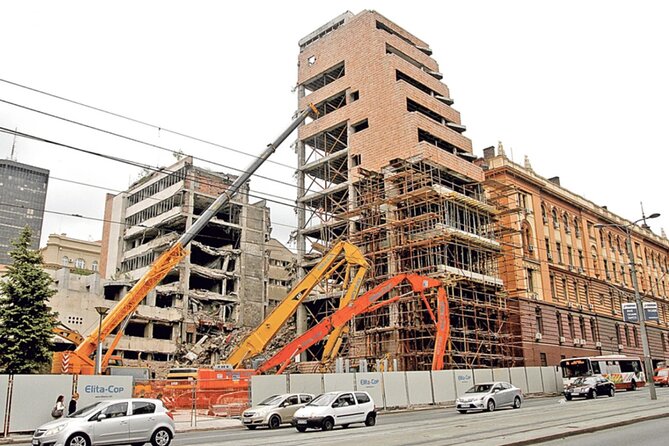
Belgrade’s NATO bombing history is easiest to grasp when you see the places that still carry its scars. This compact tour connects Generalštab, the bomb-damaged military headquarters, with Tašmajdan Park’s memorial to children who died during the attacks, while also adding several major landmarks in central Belgrade.
I like the Serbian point of view and the private transport, which let you ask questions and move between scattered sites without sorting out city traffic yourself. The main drawback is the speed: two hours is short for such a painful and complicated subject, and one assessment found the guide difficult to understand at times.
Key points at a glance
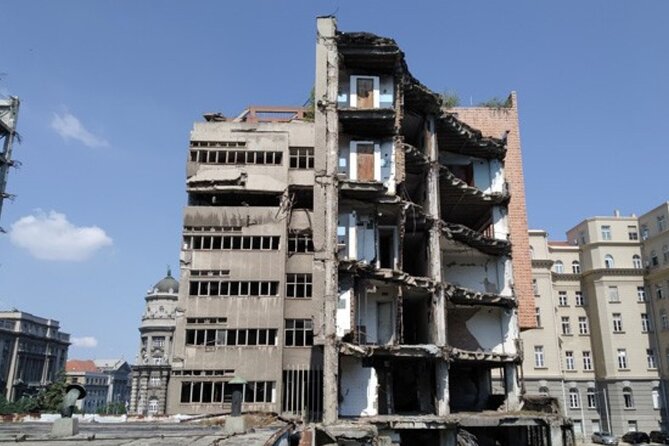
- Generalštab is the emotional center: The damaged complex remains one of the clearest physical reminders of the 1999 bombing.
- Tašmajdan Park adds a human note: You visit a memorial honoring children who died during the NATO attacks.
- The route includes major civic landmarks: St. Mark’s Church, the Serbian Parliament, the old railway station, and the former royal palace area broaden the story.
- Private transport saves time: An air-conditioned vehicle with pickup and onboard WiFi links the stops efficiently.
- The tour is deliberately short: Plan on about two hours, with several stops lasting only 5 to 20 minutes.
- The cost is $69.99 per person: That is easier to justify for a private group that values transport and a focused introduction than for someone seeking a long museum visit.
Why Belgrade’s bombing story still feels close
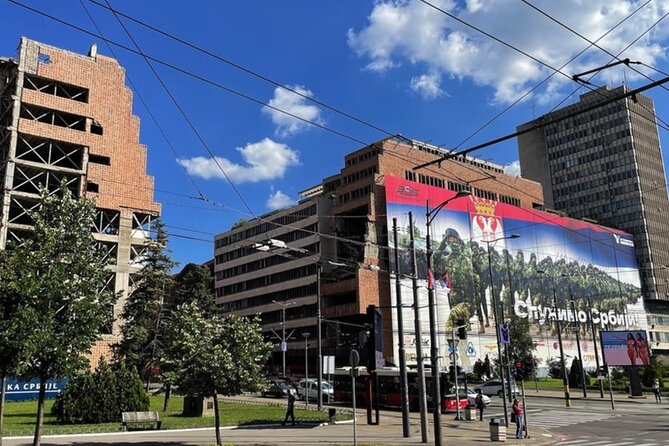
The NATO bombing of Yugoslavia in 1999 is not distant history in Belgrade. It remains part of the city’s physical setting and public memory. Buildings were damaged, ordinary places became targets or shelters, and families lost loved ones. A tour focused on this subject can give you more than a list of dates, but only if the guide explains the Serbian experience with care.
This route is framed from a Serbian perspective. That makes it useful if you want to understand how the bombing is remembered locally, rather than hearing only the NATO explanation of the conflict. You should also expect a viewpoint, not a fully neutral university lecture. The Serbian wars of the 1990s are politically charged, and the guide’s interpretation will shape how the story is told.
The strongest part of the experience is the connection between public landmarks and personal loss. You see government buildings, churches, parks, transport sites, and a military headquarters. The route shows how the bombing affected the capital as a whole, not only one military location.
More Yugoslav-era walks and drives:
- Red Belgrade Communist Tour
★ 5.0 · 78 reviews - Architecture of New Belgrade – Brutalism Decoded
★ 4.5 · 24 reviews - Communist Tour in Belgrade
★ 4.5 · 19 reviews
Starting at St. Mark’s Church
The first stop is Crkva Svetog Marka, or St. Mark’s Church, with about 20 minutes set aside and admission included. It is one of Belgrade’s most important churches and gives the tour a useful starting point in the city center.
The church is not simply a religious stop added to fill time. It places the later discussion in a wider Serbian setting. You begin with a major national and civic landmark before moving toward the war’s more direct reminders. That change in mood matters, especially on a tour that could otherwise feel like a series of damaged buildings.
Twenty minutes is enough for an introduction and a look around, but not a detailed architectural visit. If you want a slow examination of the church, its design, or its religious role, you will need to return on your own. Here, the church functions mainly as the opening chapter of the route.
Tašmajdan Park and the children’s memorial
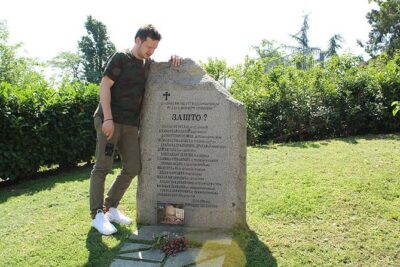
The tour then spends about 20 minutes in Tašmajdan Park. Admission is free, and the park contains a monument honoring children who died during the NATO bombing.
This is likely to be one of the most affecting stops. Military sites can make war feel abstract. A memorial to children removes that distance. It directs your attention to the civilian cost and to the families left behind, which is often the part of the story that gets lost in political arguments.
The park setting also changes the pace. You are not standing only beside a government building or a ruined military complex. You are in a public green space with a memorial that asks for quiet attention. The guide’s explanation is important here, since the meaning of the monument and the Serbian memory attached to it may not be obvious at first glance.
There is a practical limit. You are visiting a park and an outdoor memorial, not a museum with displays, documents, or a long indoor presentation. One critical assessment felt this portion did not justify much of the paid experience by itself. I would agree that the value comes from the guide’s interpretation and the way the stop connects to the rest of the route, not from admission or facilities.
The Serbian Parliament in a ten-minute stop
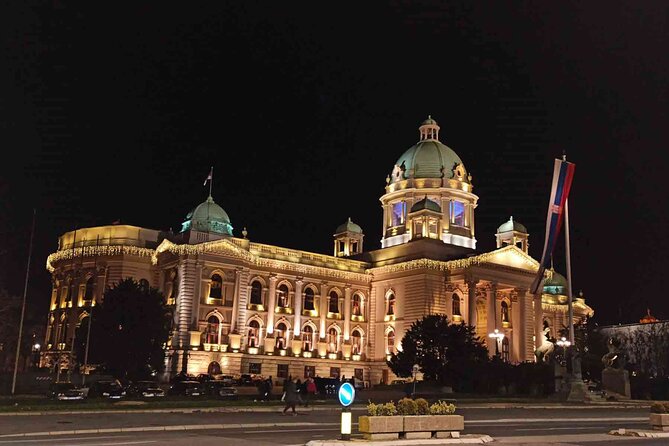
The House of the National Assembly of the Republic of Serbia, commonly called the Serbian Parliament, receives about 10 minutes. Admission is free.
This is a quick exterior stop, so do not expect a parliamentary tour or a long look inside. Its importance is political and symbolic. After the church and memorial, the Parliament helps you understand the state institutions involved in the era’s decisions and public life.
Ten minutes may sound brief, but it fits the tour’s design. The vehicle lets you cover several central sites without spending the entire morning walking between them. Still, the short timing means you should listen closely and ask your most important questions right away.
For me, this stop works best as part of the sequence. The route moves from religion, to civilian memory, to the national government, then toward the physical damage at Generalštab. That order creates a basic framework, even if it does not allow a full political history.
More history walks near Belgrade:
- History and Culture in my Belgrade
★ 5.0 · 41 reviews - Football tour: Red Star and Partizan Ultras History
★ 5.0 · 14 reviews - Tito and History Vintage Car Tour
★ 5.0 · 11 reviews - Romantic history tour of Belgrade
★ 5.0 · 8 reviews
Generalštab, the tour’s clearest physical reminder
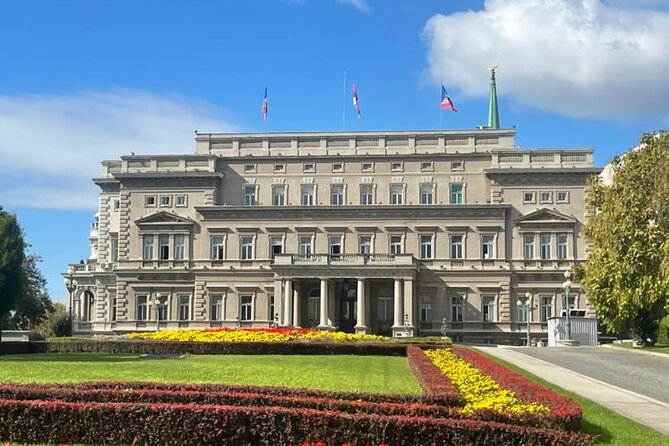
Generalštab is one of the symbols of the bombing. The damaged complex is likely the stop you will remember most clearly because the building itself carries visible evidence of the attacks.
You spend about 10 minutes here, with no admission charge. That may seem short, but the site does not require a ticket or a long indoor visit. Its power comes from what remains in front of you. The ruined structure turns a historic event into something concrete and immediate.
The guide’s explanation matters more here than at almost any other stop. You will want context about what the complex represented, why it was hit, and how it has been treated since the bombing. The supplied information does not promise a museum, interior access, or a formal exhibition, so keep your expectations focused on an outdoor explanation and visual evidence.
This is also where the tour’s point of view may feel strongest. Listen carefully, but keep in mind that a Serbian account is one part of a wider and disputed history. If you want a detailed account of NATO’s stated military aims, the Yugoslav wars, and the international legal debate, this two-hour tour will not cover everything.
The old railway station and the former royal palace
The Railway Museum stop is described as the old railway station, with roughly 10 minutes allocated. The visit is brief and admission is free.
Its value lies in showing that the tour is not limited to military and government sites. Railways are part of a city’s daily life and national development. An old station can also help you see how Belgrade’s central institutions and public spaces fit together. The information provided does not specify an indoor museum visit or a guided examination of exhibits, so treat this as a short historical stop rather than a full museum experience.
The route also includes the old king’s palace, although the timing is not specified. That omission makes it hard to predict how long you will spend there. It may be a passing exterior view or a short explanation between scheduled stops. If royal history matters to you, ask the guide how much time is available.
Together, these locations broaden the tour. You see how the capital’s religious, political, royal, transport, and military landmarks sit within the same city. The route is not only about ruins. It is also about the institutions and places that shaped Belgrade before, during, and after the bombing.
Tsar Nicholas II Romanov in five minutes
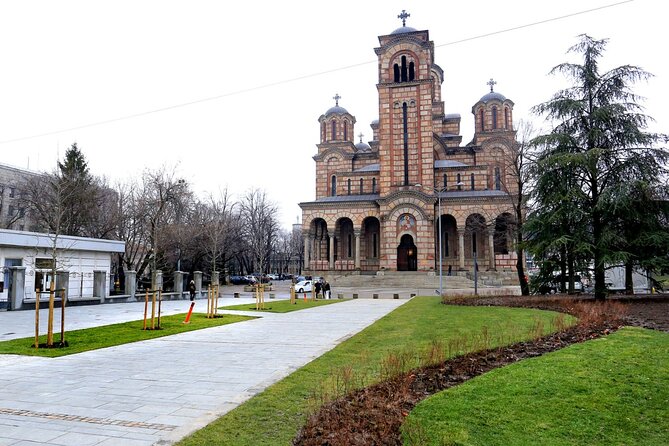
The final listed stop is the Monument to Tsar Nicholas II Romanov. You spend about five minutes there, and there is no admission charge.
Five minutes tells you what to expect: a quick look, a short explanation, and perhaps a final piece of context rather than a major visit. The monument adds a connection to Serbia’s relationship with Russia and the memory of Tsar Nicholas II. The information supplied does not describe the guide’s exact interpretation, so you should ask if you want to understand why this monument belongs on a tour about Belgrade’s wartime memory.
As a closing stop, it can leave you with a wider sense of Serbian identity and international ties. It is not likely to satisfy anyone looking for a long treatment of Romanov history, but it fits the route’s pattern of short, connected stops.
What the $69.99 price really buys you
At $69.99 per person, this is not the cheapest way to see a park monument or a public building. Many of the stops are free, and several visits last only five or ten minutes. If you are already comfortable using Belgrade’s public transport and reading about the sites yourself, the price may feel high.
The value is in the private transportation, pickup, and guide. You are paying to have someone connect scattered places into one story while an air-conditioned vehicle handles the movement between them. On a hot day, or when you have limited time in Belgrade, that convenience can matter.
The tour is a better deal for a private group than for someone expecting a large museum program. Only your group participates, which gives you more room to ask about the Serbian position, the bombing, and the meaning of the memorials. The price becomes harder to defend if your main goal is simply to photograph the sites.
The 4.8 rating from 17 ratings and a 100 percent recommendation figure suggest that the experience has worked well for its intended audience. Still, the detailed comments point to two real limits: the route can feel too fast, and the guide’s English may occasionally be hard to follow. Those points deserve more weight than a number alone.
Timing, transport, and physical demands
The tour begins at 11:00 a.m. and lasts about two hours. Pickup is offered, and the vehicle is private, air-conditioned, and equipped with WiFi. That setup is practical for a short route with multiple central stops.
You should expect a mix of riding, standing, and short walks. A moderate level of physical fitness is requested. The information does not specify the exact pickup area, so confirm the meeting details when booking.
Because the tour is private, the pace may be somewhat adjustable, but you should not assume you can add long visits at every stop. The schedule includes several locations in a short window. If you want extra time at Tašmajdan Park or Generalštab, ask early in the tour.
The English-language guide is a key part of the experience. The guide is described as friendly and well informed, but one assessment found the English difficult to understand at times. You may want to ask for clarification when needed, especially during explanations of the Yugoslav wars, where names and political details can become confusing quickly.
Who will get the most from this tour
I would choose this experience if you want a focused introduction to the NATO bombing and prefer a Serbian account of the event. It suits you especially well if you have only a short time in Belgrade, want private transport, or would rather ask questions than join a large group.
It is also useful early in a stay. The route can give you a basic map of several important central landmarks, making later independent visits more meaningful. St. Mark’s Church, Tašmajdan Park, the Parliament, Generalštab, the old station, the former royal palace area, and the Romanov monument are easier to place after you have seen them together.
I would look elsewhere if you want a long museum visit, a detailed military history, or a carefully balanced account of every side in the Yugoslav wars. The two-hour format cannot provide that depth. The tour is best understood as a guided orientation built around places, memories, and Serbian interpretation.
You should also be comfortable with serious subject matter. The memorial to children and the damaged Generalštab complex are not light sightseeing stops. The route asks you to think about civilian loss, political power, and how a city remembers war.
Should you book the NATO Bombing of Belgrade Historical Tour?
Book it if you want a short, private, English-language introduction to Belgrade’s NATO bombing sites, especially Generalštab and the children’s memorial in Tašmajdan Park. The private vehicle, pickup, and guide make the $69.99 cost more reasonable when shared by a group that values convenience.
Skip it if you mainly want free sightseeing or need a slow, detailed history lesson. The pace is quick, several stops are only brief exterior visits, and the guide’s English may require patience. Cancel at least 24 hours before the 11:00 a.m. start for a full refund, since later cancellations and changes are not accepted.
FAQ
How long does the NATO Bombing of Belgrade Historical Tour last?
The tour lasts approximately two hours.
What time does the tour begin?
The scheduled start time is 11:00 a.m.
Is pickup included?
Yes. Pickup is offered as part of the experience.
Is transportation provided?
Yes. Private transportation is included in an air-conditioned vehicle with WiFi onboard.
Is the tour conducted in English?
Yes. The experience is offered in English.
Is this a private tour?
Yes. Only your group participates in the activity.
Are admission tickets included?
Admission is included for St. Mark’s Church. The listed stops at Tašmajdan Park, the Serbian Parliament, Generalštab, the Railway Museum, and the monument to Tsar Nicholas II Romanov have no admission charge. The old king’s palace is also included in the route, but no separate ticket information is provided.
Can I cancel for a full refund?
Yes, if you cancel at least 24 hours before the experience’s start time. Cancellations or changes made less than 24 hours before the start are not accepted for a refund.
Just added around Belgrade
- Private Half Day Serbia Tour Novi Sad and Petrovaradin Fortress★ 5.0 · 3 reviews
- 3-Hour Belgrade Zemun Neighborhood Tour★ 5.0 · 8 reviews
- Private Belgrade Street Art and Adventures Walking Tour★ 5.0 · 4 reviews
- Urban & Alternative Belgrade tour★ 5.0 · 4 reviews
- Belgrade Bike Tour: Be a local in the hood of Belgrade!★ 5.0 · 5 reviews
- From Belgrade:Uvac Nature Reserve Tour★ 5.0 · 4 reviews
- Private Wine Tasting by Party in Belgrade★ 5.0 · 3 reviews
- Shooting Experience by Party in Belgrade★ 5.0 · 8 reviews
Communist & Yugoslav History Tours, compared.
Architecture of New Belgrade – Brutalism Decoded
Read our review →

Browse the lists this tour appears in